Source Slide Box Phone Case With Magnetic Closure for Retail
Source a slide box phone case with magnetic closure from 30 verified listings. Compare features like shock absorption, wireless charging compatibility, and minimalist designs across various iPhone and Android models to find the best fit for your inventory needs; compare the available evidence and request quotations based on your requirements.
Key considerations
Products List


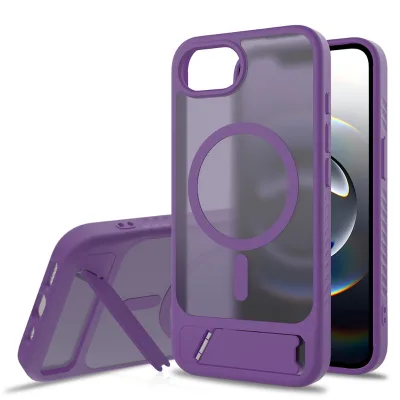
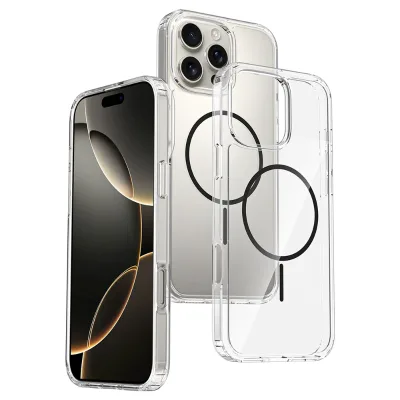


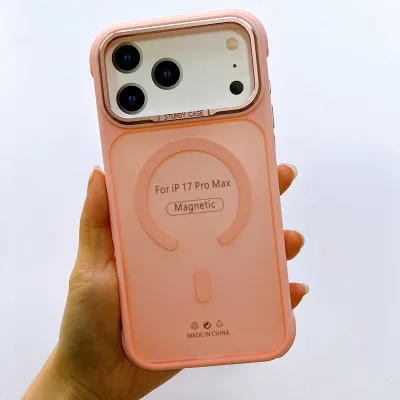

Comprehensive Sourcing Guide
Slide Box Phone Case with Magnetic Closure Sourcing Guide
Sourcing a slide box phone case with magnetic closure requires careful evaluation of mechanical durability and material compatibility. These cases combine a protective shell with a sliding mechanism that often conceals a card slot or stand, secured by internal magnets. Buyers must prioritize suppliers who demonstrate rigorous testing on the sliding track’s longevity, as this is the primary failure point. The magnetic closure must provide sufficient holding force to prevent accidental opening during daily use while remaining easy to operate.
Procurement teams should verify that the magnetic components are securely embedded within the case structure to avoid detachment. The sliding mechanism must operate smoothly without excessive friction or wobble, ensuring a premium user experience. It is critical to assess whether the case maintains full wireless charging functionality, as metal components in the magnetic system can interfere with charging coils. Buyers should request samples to test the tactile feedback of the slide action and the strength of the magnetic latch under various orientations.
Product Scope and Observed Listing Signals
The current market landscape for phone cases includes a wide variety of protective accessories, with many listings highlighting features like anti-slip properties, shock absorption, and minimalist designs. Observed product attributes indicate a strong preference for compatibility with major smartphone brands, particularly iPhone models ranging from older generations to the latest releases. Suppliers frequently offer customization options, allowing buyers to tailor colors, packaging, and branding to their specific market needs. The presence of retail box and master carton packaging suggests these products are often intended for direct-to-consumer sales or retail distribution.
Listing signals also reveal a diversity in material compositions, with common options including plastic, TPU, and PC blends. Some products feature additional elements like metal components for magnetic functionality or stand mechanisms. Buyers should note that while many listings claim compatibility with multiple brands, specific model fitment is crucial for customer satisfaction. The observed price range and MOQ variations indicate a flexible supply chain, but buyers must carefully match supplier capabilities with their order volume requirements to ensure cost-effectiveness and supply stability.
Technical Specifications to Verify
When evaluating technical specifications, buyers must confirm the exact material composition of the case, particularly the blend of TPU and PC, which affects flexibility and impact resistance. The thickness of the case, often around 2mm, should be verified to ensure it does not add excessive bulk while still providing adequate protection. It is essential to check whether the magnetic system is compatible with standard wireless charging protocols, as some metal-infused materials can disrupt charging efficiency. Buyers should also verify the hardness rating, such as partial hard, to balance protection with ease of installation and removal.
The sliding mechanism’s durability is a critical technical parameter, with some suppliers claiming testing results of up to 10,000 open-and-close cycles. Buyers should request evidence of drop testing, such as the 10-foot/3-meter standard mentioned in some listings, to assess impact protection capabilities. Additionally, the design of the magnetic closure must be examined to ensure it does not interfere with the phone’s sensors or buttons. Verification of the stand functionality, if included, should include stability tests to ensure the phone remains secure in various viewing angles.
Compliance and Safety Documentation
Compliance and safety documentation are vital for ensuring that phone cases meet international regulatory standards, particularly regarding material safety and environmental impact. Buyers should request certificates confirming that the materials used, such as TPU and PC, are free from harmful substances like phthalates and heavy metals. While some listings mention certifications like FSC, buyers must verify the specific scope and validity of these documents, as they may apply to packaging rather than the product itself. Ensuring compliance with REACH and RoHS regulations is essential for selling in European and other regulated markets.
Safety documentation should also include test reports for flammability and chemical resistance, particularly if the case is marketed as dirt-resistant or anti-fingerprint. Buyers must ensure that the magnetic components do not pose a choking hazard for younger users, especially if the case is designed for children or includes small detachable parts. It is advisable to work with suppliers who provide comprehensive safety data sheets and have a track record of adhering to international quality standards. Regular audits of supplier quality management systems can further mitigate risks associated with non-compliant products.
Cost Drivers and Commercial Terms
Cost drivers for slide box phone cases include material costs, manufacturing complexity, and the intricacy of the magnetic and sliding mechanisms. Suppliers often offer tiered pricing based on order volume, with MOQs ranging from small batches of 10 pieces to larger orders of 500 pieces. Buyers should negotiate clearly defined commercial terms, including payment methods such as T/T, PayPal, or Ali Trade Assurance, to protect their financial interests. Understanding the shipping methods available, such as DHL, UPS, or air cargo, is crucial for calculating total landed costs and delivery timelines.
Commercial terms should also address customization costs, as features like logo printing, custom packaging, or unique colorways may incur additional fees. Buyers must clarify whether the quoted prices include packaging details, such as retail boxes or OPP bags, and whether master carton quantities are standardized. Drop shipping capabilities can be a significant advantage for e-commerce buyers, reducing inventory holding costs. It is important to confirm lead times and production capacity to ensure timely delivery, especially during peak seasons, and to establish clear protocols for handling defects or delays.
Supplier Qualification and Quality Control
Supplier qualification involves assessing the manufacturer’s production capabilities, quality control processes, and track record in the phone accessory industry. Buyers should verify the supplier’s location, with many manufacturers based in Shenzhen or Guangdong, China, known for their electronics manufacturing expertise. It is crucial to evaluate the supplier’s ability to handle customization requests, including design modifications and branding requirements. Suppliers who offer drop shipping services and have flexible MOQs may be more suitable for small to medium-sized buyers.
Quality control measures should include in-process inspections and final random inspections before shipment. Buyers should request samples to evaluate the fit, finish, and functionality of the slide box mechanism and magnetic closure. Establishing a clear quality agreement with the supplier, including acceptable defect rates and remediation procedures, is essential for maintaining product standards. Regular communication and site visits, if possible, can help build a strong partnership and ensure consistent quality. Buyers should also consider the supplier’s responsiveness to issues and their ability to provide timely support.
Long-Term Procurement Checks
Long-term procurement checks focus on maintaining supplier performance and adapting to market changes over time. Buyers should regularly review supplier performance metrics, including on-time delivery rates, product quality, and responsiveness to issues. It is important to stay informed about emerging trends in phone case design, such as new materials or enhanced magnetic technologies, to remain competitive. Regularly updating product specifications and requirements can help ensure that the sourced cases meet evolving customer expectations and regulatory standards.
Building a diversified supplier base can mitigate risks associated with single-source dependencies and supply chain disruptions. Buyers should periodically re-evaluate their supplier portfolio to identify opportunities for cost savings or improved quality. Establishing long-term contracts with key suppliers can provide stability and potentially better pricing, but buyers must remain flexible to adapt to market fluctuations. Continuous improvement initiatives, such as joint product development or feedback loops, can strengthen the buyer-supplier relationship and drive innovation in product offerings.
FAQs
What materials are used for the phone case?
The phone case is constructed from plastic, TPU, PC, and metal materials. Some models feature a TPU plus PC composition while others include metal components for added durability and magnetic functionality.
Can I customize the product design and packaging?
Yes, customization is available for this product line. Buyers can request specific designs, and packaging options include retail boxes, master cartons, or OPP bags depending on the specific model requirements.
What is the minimum order quantity for each model?
The minimum order quantity varies by supplier but typically ranges from 10 to 50 pieces per model and color. Some listings specify 20 pieces while others require 50 pieces as the baseline.
Which shipping methods are accepted for delivery?
Multiple shipping methods are accepted including DHL, UPS, FedEx, air cargo, sea freight, and train transport. Buyers can select the most suitable logistics channel based on their urgency and budget constraints.
How does the magnetic feature function on the case?
The case supports magnetic wireless charging and includes a stand feature for hands-free viewing. It is designed to be compatible with magnetic accessories and ensures secure attachment during use.
What is the origin location of these phone cases?
Products originate from locations such as Hong Kong, Shenzhen, and Guangdong in China. Some listings indicate the origin is to be confirmed, so specific factory locations should be verified before ordering.
Are drop shipping services available for this product?
Yes, drop shipping is accepted for this product category. Suppliers are willing to handle direct shipments to end customers, allowing buyers to operate without holding inventory themselves.